Gift Card Basics & Comparisons
Fixed vs. Variable Value Gift Cards: What's the Difference?

Eric Mason
9 min read
Fixed vs. Variable Value Gift Cards
When buying a gift card, one of the first questions people face is whether to choose a fixed or variable value option. Each type has its own strengths, and the right choice often depends on the recipient, the budget, and the occasion. In this guide, we’ll break down the fixed vs variable gift card debate, showing the key differences and helping you understand which option to choose.
Fixed denomination cards are straightforward, with set amounts like $25 or $50, making them predictable and easy to use. Variable value cards, on the other hand, give the buyer flexibility to load a custom amount, often anywhere between a minimum and maximum limit.
By the end, you’ll have a clear picture of how these two options compare — and how to decide which one makes the most sense for your gifting needs.

Understanding Gift Card Denominations
To understand the fixed vs variable gift card debate, it helps to start with denominations. A denomination simply refers to the value or amount preloaded onto a card. Put simply, it’s the number printed on the front — for example, $10, $25, or $100 — that determines how much the recipient can spend. But there’s more behind the term than just the dollar figure.
What Does Denomination Mean on a Gift Card?
In gift card terms, denomination represents the set or chosen balance on the card. For fixed cards, that balance is predetermined. For variable cards, the denomination can be customized at purchase.
Fixed Denomination Gift Cards
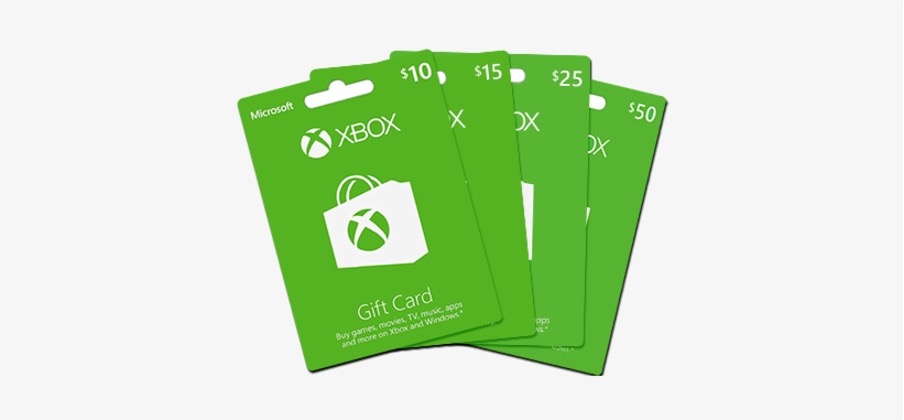
Fixed denomination gift cards are the traditional option. They come in standard preset amounts, making them predictable and straightforward. This works especially well when you know exactly how much you want to spend and don’t need flexibility.
Custom Amount Gift Cards
Some retailers offer custom amount gift card options, where you can set the value yourself instead of sticking to predefined denominations. This flexibility is especially useful if you have an exact budget in mind — say, $37 for a quirky reason, or matching a shared group contribution.
Choosing a Gift Card Amount
If you’re wondering about choosing a gift card amount, think about both your budget and the recipient’s needs. Too small, and it might feel insignificant; too large, and you may overspend unnecessarily. The balance should reflect the occasion and relationship.
In essence, denominations are the building blocks of how gift cards function. Whether fixed or variable, understanding denominations ensures you choose the right amount and deliver a thoughtful, practical present.
What Are Fixed Value Gift Cards?
A fixed value gift card is the most straightforward type of prepaid card. These cards come with a preset amount, such as $10, $25, $50, or $100, printed clearly on the card. Once purchased, the balance cannot be changed, making them simple, predictable, and easy to use.
Predictability and Simplicity
The main advantage of fixed denomination gift cards is their predictability. You know exactly how much the recipient will receive, and they know exactly how much they can spend. This makes them especially appealing when you’re looking for the best gift card for a specific budget.
Ideal for Budgeting
Because the amounts are set, fixed cards help you stick to your financial plan. For example, if you’re buying multiple gifts for a group of colleagues or relatives, you can distribute the same denomination evenly. This avoids awkward differences and makes budgeting straightforward.
Picking the Right Gift Card Denomination
When picking the right gift card denomination, consider the occasion and the recipient’s lifestyle. For small tokens of appreciation, $10 or $20 cards may be enough. For bigger milestones like birthdays or graduations, higher denominations such as $50 or $100 are more suitable.
Limitations of Fixed Cards
The downside is lack of flexibility. If you want to give an amount that doesn’t match the available denominations, you’re forced to round up or down. For example, you can’t usually load $35 or $75 — you have to choose the closest fixed value available.
In short, fixed value cards are reliable, budget-friendly, and easy to understand. They’re the right choice when you need structure and simplicity in your gifting.
What Are Variable Value Gift Cards?
Unlike fixed cards, a variable value gift card gives the buyer flexibility. Instead of preset amounts, you choose the value to load within a retailer’s minimum and maximum limits. This flexibility makes variable cards a popular choice for personalized gifting.
How Do Variable Value Gift Cards Work?
When you purchase one, you select an amount — for example, anywhere from $10 to $500 — and the cashier or online system activates the card with that balance. The recipient then uses it like any other prepaid card, spending until the balance runs out.
Customization and Flexibility
Variable cards let you match the gift to your budget precisely. If you’re splitting costs with friends, you can agree on a shared number and load that exact amount. Retailers like Amazon even promote this option with the amazon gift card any amount feature, which allows buyers to set a fully custom balance.
Visa Gift Card Variable Amount
The visa gift card variable amount is another popular example. Visa’s open-loop system lets you load almost any value within limits, making it usable at millions of locations. This makes it one of the most versatile gifting options available.
Minimum and Maximum Amounts
There are still restrictions. Every retailer sets a minimum and maximum amount for gift cards. For example, a store might allow a variable load between $15 and $500. This ensures both affordability and fraud prevention while giving buyers flexibility.
What is a variable load gift card?
In short, it’s one that lets you set the balance yourself. This makes them highly flexible, especially when you want to personalize the gift or work within a specific budget. However, because the value isn’t printed on the card, recipients may need to check the balance before spending.
Variable cards are ideal when you want freedom of choice and personalization, but they come with slightly more complexity than fixed denominations.
Reloadable and Open-Loop Options
Beyond fixed and variable denominations, some gift cards provide even more flexibility through reloadable balances and wider acceptance networks. These features can make them practical alternatives for both gifting and personal use.
What Is a Reloadable Gift Card?
A reloadable gift card is one that allows you to add funds after the initial purchase. Instead of discarding the card once the balance reaches zero, the recipient (or sometimes the giver) can top it up with additional value. This feature makes reloadable cards more sustainable and convenient compared to single-use options.
Can I Add More Money to a Gift Card?
The answer depends on the type. Fixed denomination cards generally do not allow reloading, while some variable or branded cards do. Reloadable Visa or Mastercard gift cards are a common example of cards that can be topped up repeatedly.
Open-Loop vs Closed-Loop Gift Cards
A key distinction in the industry is open loop vs closed loop gift cards.
● Open-loop gift cards are issued by networks like Visa, Mastercard, or American Express. They can be used almost anywhere these brands are accepted, giving recipients maximum flexibility.
● Closed-loop gift cards, on the other hand, are tied to a specific retailer or brand. An Amazon card, for instance, can only be used on Amazon’s platform.
The debate of open loop vs closed loop gift cards comes down to breadth of use versus brand loyalty. Open-loop options act more like prepaid debit cards, while closed-loop options often come with brand-specific perks, such as exclusive discounts.
Visa and Amazon Examples
Open-loop cards like the Visa gift card variable amount are highly versatile. Meanwhile, popular closed-loop cards such as the Amazon gift card any amount appeal to loyal shoppers who regularly use a single platform.
Reloadable and open-loop cards strike a balance between flexibility and functionality, making them ideal for people who want long-term utility rather than a one-time gift.
Fees, Security, and Activation
When comparing gift card types, cost and security are just as important as flexibility. Both fixed and variable cards come with rules around fees, activation, and safe usage that buyers should understand before making a choice.
Are There Fees for Variable Gift Cards?
A common question is whether there are fees for variable gift cards. In most cases, retailers do not charge extra beyond the loaded amount. However, open-loop cards like Visa or Mastercard sometimes include purchase or activation fees. These fees are usually small but can reduce the effective value of the gift.
Activation of a Variable Gift Card
Another key point is how to activate a variable gift card. Most cards activate automatically at the point of sale, whether online or in-store. The cashier or digital checkout system links the chosen balance to the card, making it ready for use. Some reloadable cards may require online registration for added security.
Security Considerations
Gift card fraud is a growing issue, especially for digital formats. While fixed cards are less prone to tampering, variable and reloadable cards can be more vulnerable if not purchased from official sources. To reduce risks, always buy from trusted retailers and check activation receipts.
Fixed vs Variable Fees and Risks
The fixed vs variable gift card comparison also applies to costs and safety. Fixed denomination cards are simpler, with fewer additional fees, while variable cards may carry purchase or reload charges depending on the issuer. On the security side, both formats are generally safe if handled responsibly, but digital cards require extra caution against phishing scams.
Understanding these factors helps ensure that the gift card delivers full value to the recipient without unexpected deductions or risks.
Choosing the Right Gift Card


With so many options available, it can feel overwhelming to decide which type of card fits your needs best. The fixed vs variable gift card debate doesn’t have a universal winner — the right choice depends on context, budget, and the recipient’s preferences.
When Fixed Cards Make Sense
If you want predictability and simplicity, fixed denomination cards are the safest bet. They’re easy to understand, stick to a clear budget, and work well for group gifting when you want every recipient to get the same value. For companies or organizations buying in bulk, this consistency is often the most practical option.
When Variable Cards Are Better
Variable value cards shine in situations where flexibility matters. They let you set an exact amount — perfect for splitting costs with friends, matching a personal budget, or tailoring a gift to a specific occasion. If you’re unsure how much to give, variable cards provide the freedom to adjust.
Which Type of Gift Card Is More Flexible?
If the main priority is adaptability, the answer to which type of gift card is more flexible is clear: variable value cards. From setting unique amounts to offering open-loop versions like Visa, they provide far more customization than fixed options. However, this flexibility sometimes comes with added fees or restrictions.
Striking the Balance
Ultimately, the decision between fixed and variable formats comes down to the recipient. If you know they’ll value convenience and flexibility, variable is best. If they prefer structure and simplicity, fixed works better. Either way, the thoughtfulness of the gift will matter more than the exact denomination.
FAQ: Fixed vs. Variable Value Gift Cards
1. What is a reloadable gift card?
A reloadable gift card allows you to add more money after the initial purchase. Unlike fixed or one-time cards, these can be topped up repeatedly, making them useful for long-term budgeting or ongoing gifts.
2. Can I add more money to a gift card?
Yes, but only if the card is designed to be reloadable. Most fixed denomination cards cannot be recharged, while certain variable or open-loop cards, such as Visa or Mastercard gift cards, allow reloading.
3. What is a variable load gift card?
A variable load gift card is one where you choose the balance at purchase, rather than sticking to preset amounts. This flexibility makes it possible to match your gift to a specific budget or occasion.
4. Where to buy variable value gift cards?
Variable value gift cards can be purchased online from major retailers, marketplaces, or directly from brands like Amazon. Many physical stores also sell them, often letting you set the balance within a defined range at checkout.
5. Are there fees for variable gift cards?
Some issuers, particularly open-loop cards like Visa or Mastercard, may charge a purchase or activation fee. Always read the terms before buying to avoid surprises.
Fixed vs. Variable Gift Card — Which Should You Choose?
The debate of fixed vs variable gift card comes down to what matters most: simplicity or flexibility. Fixed denomination cards are predictable, budget-friendly, and ideal when you want straightforward gifting without complications. Variable value cards, on the other hand, offer freedom to load a custom balance, making them perfect for tailored presents and unique budgets.
When choosing, think about the recipient’s needs and the occasion. Do they prefer a set, reliable amount? Or would they appreciate the flexibility of choosing how to spend a personalized balance?
No matter which option you decide on, the key is thoughtful gifting. And with GiftyBox, purchasing digital gift cards is simple, secure, and instant — helping you send the perfect present with confidence.