Mobile Recharge & Top-Up
Recharge vs. Top-Up: What's the Difference?

Eric Mason
5 min read
The phrase ‘top up recharge’ first appeared when wireless carriers tried to explain two ways of adding money to a prepaid balance. Both actions achieve the same goal—putting fresh credit on an account—yet they follow different traditions, payment channels, and user expectations. Understanding that distinction can save you time, fees, and frustration the next time your phone pings you about low minutes.
A second, nearly identical term circulates on forums: topup recharge. If you have ever wondered whether that version without a space is legitimate, rest easy—both spellings are accepted in online search, though “top‑up” remains the industry favourite when printed on receipts.

Two Words, Two Histories
Long before e‑wallets and instant bank payment systems, prepaid users bought scratch cards at convenience stores. They added airtime by entering a hidden code into their phone. As mobile apps matured, carriers introduced seamless balance boosts through self-service apps and websites. Marketing teams adopted the term ‘top-up’ — a quick add-on of credit rather than a full plan renewal.
Those origins matter because they shape policy today. A recharge often triggers first‑time bonuses such as welcome data bundles, while a top‑up merely extends validity or prevents service interruption. Ask a customer‑care agent in Mumbai why your promo didn’t appear, and they may point to the wrong transaction type.
What is topup?
In plain language, what is topup? It is a small payment that raises your existing balance without altering your underlying prepaid plan. Topping up is like refilling a water bottle before it’s empty — quick and without starting over.
Regional English can vary even more. In British FAQs, you might see the spaced version ‘what is top up,’ showing how flexible the term’s spelling can be.
Recharge vs Top‑Up at a Glance
Typical use case
- Recharge: First activation or full plan renewal
- Top‑Up: A quick balance boost
- Why it matters: Helps predict rewards
Channels
- Recharge: Scratch card, kiosk, call centre
- Top‑Up: App, website, USSD, auto‑pay
- Why it matters: Affects speed and convenience
Processing time
- Recharge: Up to 15 minutes on older systems
- Top‑Up: Almost instant
- Why it matters: Critical when roaming
Bonus bundles
- Recharge: Often included
- Top‑Up: Rare
- Why it matters: Influences total value
Ideal moment
- Recharge: New SIM, seasonal promo
- Top‑Up: Mid‑month data shortage
- Why it matters: Guides smarter spending
Carriers differ, yet this captures the global norm: a recharge feels heavier and sometimes slower; a top‑up feels lighter and nearly real‑time.
Everyday Scenarios: Which Action Fits Best?
Below are four familiar situations to illustrate the choice. Notice how context—travel, gifting, emergencies—decides the terminology more than dictionary definitions.
- New prepaid starter pack
You just bought a local SIM at an airport kiosk. The clerk runs a recharge credit for the very first time, unlocking promotional gigabytes and bonus talk minutes.
- Roaming rescue abroad
Your navigation app warns of zero data while you’re chasing a bus in Lisbon. A two‑tap mobile top‑up inside the carrier’s app pumps €5 into the account to save the day.
- Digital gift for a gamer
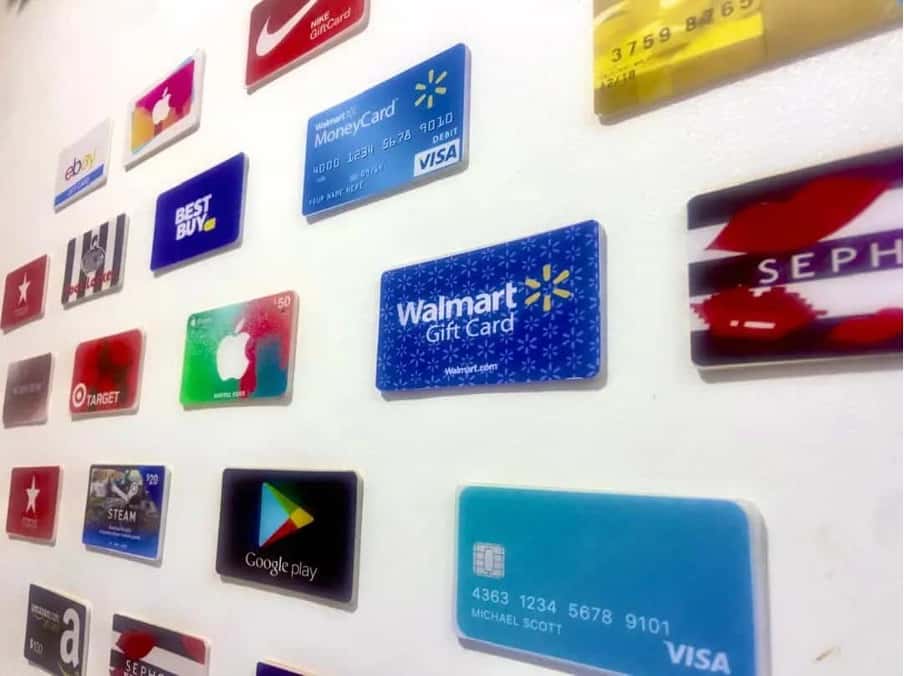
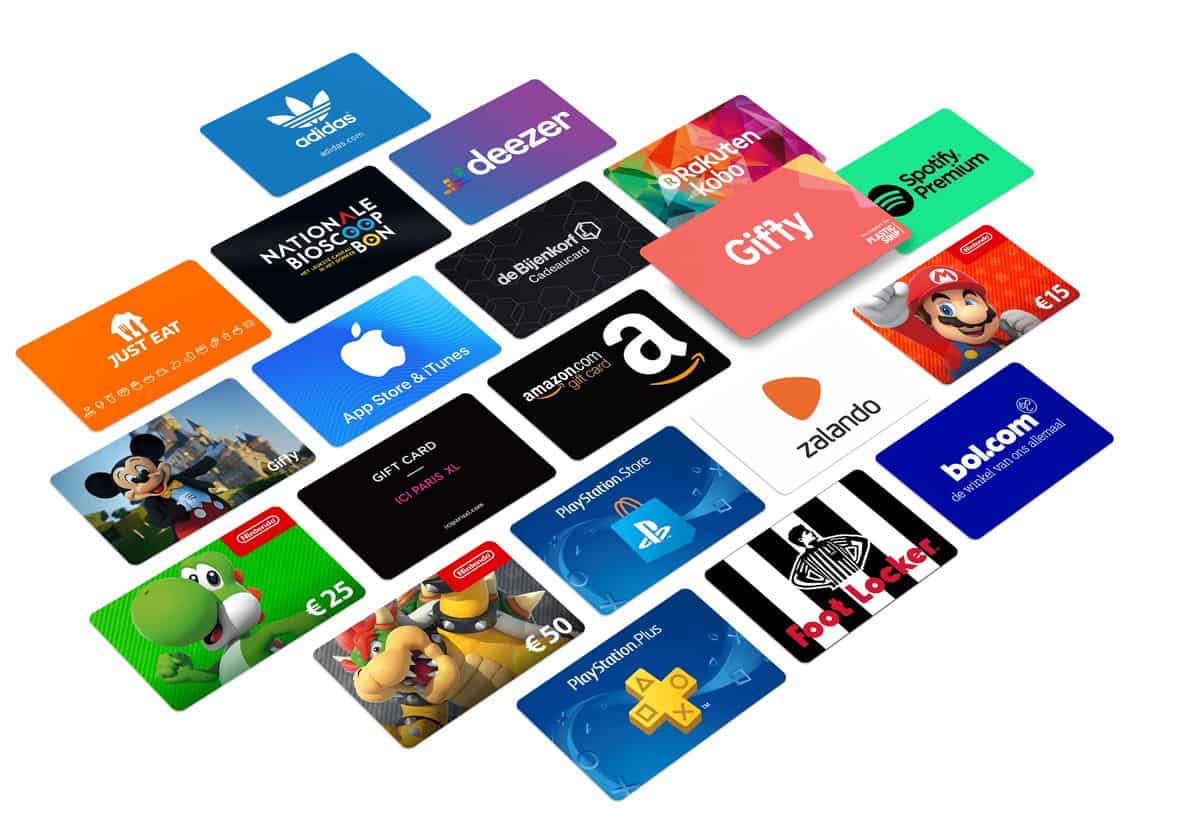
A friend’s birthday is tonight, and shipping is no longer an option. You log into an online marketplace, purchase an e‑voucher worth ₱500 for their favourite platform, and schedule instant delivery. From the recipient’s perspective, that digital gift card functions as a specialised top‑up, even though the store may label it a “recharge code.”
- Family data plan refresh
Once a month, you choose the best value bundle—a larger, discounted pack that replaces the older one entirely. Because it resets allowances, the operator calls it a recharge, not a top‑up.
Step‑by‑Step Guide: How to Top-Up

Follow these four steps and your balance will be restored, whether you are paying with cash at a kiosk or using a Visa card on an app.
- Pick a trusted site or app
Start with your carrier’s portal or a trusted payment platform. Make sure the web site uses HTTPS, shows all fees upfront, and supports your preferred currency.
- Enter the target number or account ID
If you mistype a single digit and you might end up funding a stranger. Many apps offer auto‑fill from contacts to avoid errors.
- Choose the amount and payment method
Small needs might require $5, while long trips may justify $50. Pay with stored debit, a virtual card, mobile wallet, or direct buy via bank transfer. If you prefer gift certificates, select “redeem voucher” and paste the code.
- Confirm and store the receipt
Screenshot the confirmation and check that SMS or e‑mail arrives within sixty seconds. Save the reference in case customer support asks for proof later.
Common Myths—and the Reality Behind Them
Myth 1: “A recharge always costs more than a top‑up.”
Reality: extra charges depend on channel, not terminology. A kiosk may add a service fee to either action; an in‑app purchase might be free.
Myth 2: “Top‑ups can’t unlock promotional bundles.”
Reality: some carriers run weekend flash deals that reward small top‑ups with double data. Read the fine print (terms and conditions).
Myth 3: “Online payments are risky.”
Reality: modern gateways comply with PCI DSS (Payment Card Industry Data Security Standard). Choose a reputable place to checkout, enable two‑factor authentication, and you are as safe as with any e‑commerce purchase.
Going Beyond Mobile: Other Uses of Top‑Up Culture
The language of prepaid refills now stretches far beyond SIM cards.
- Streaming services sell voucher codes that extend your subscription without revealing banking details.
- Transportation cards in Hong Kong or Singapore allow quick top‑ups at station kiosks, reducing queue times.
- e‑Wallets let users shift salary portions into budgeting envelopes, a process still called topping up even though no airtime is involved.
Each example shows the same two‑path logic: a foundational recharge when the account is born, and quick top‑ups every time the balance needs a nudge.ё
Choosing the Best Channel for Your Next Refill
When speed is critical—late‑night working hours, a lost tourist in a new country—an in‑app top‑up wins. If you are activating a brand‑new service or chasing seasonal freebies, aim for a full recharge through official stores. Wherever you land, double‑check expiry dates, cross‑border fees, and refund policies before you click Pay.
Modern platforms like Giftybox connect you to dozens of operators, display transparent pricing, and deliver vouchers in seconds. That convenience turns the once‑annoying refill chore into a smooth, two‑tap routine—so you can focus on the conversation, not the connection.
Final Thoughts
Both words describe adding money for future use, but their different histories influence how companies apply bonuses, fees, and delivery routes. Understanding the subtle difference means fewer surprises and more control over your mobile experience. Next time someone asks “what is mobile recharge” vs “what is mobile top-up”, you’ll know the exact answer—and the fastest way to keep the line alive.